
The Story Behind Lizzie Borden (The Wolf Wears a Dress)
The dress disappeared. The story did not.
Most people know the name Lizzie Borden long before they know much about the actual case. They know the rhyme, they know the axe, and they know the image of a proper Victorian woman standing at the center of one of the most notorious murder mysteries in American history. The real story, of course, is much stranger than the rhyme that survived it.

On August 4, 1892, Andrew and Abby Borden were murdered inside their home in Fall River, Massachusetts. Abby was found upstairs, and Andrew was found later on the sitting-room sofa. Andrew's daughter Lizzie was eventually arrested and tried for the murders, but she was acquitted. No one else was ever convicted, and more than a century later, the case still has the same strange hold on people that it did then.
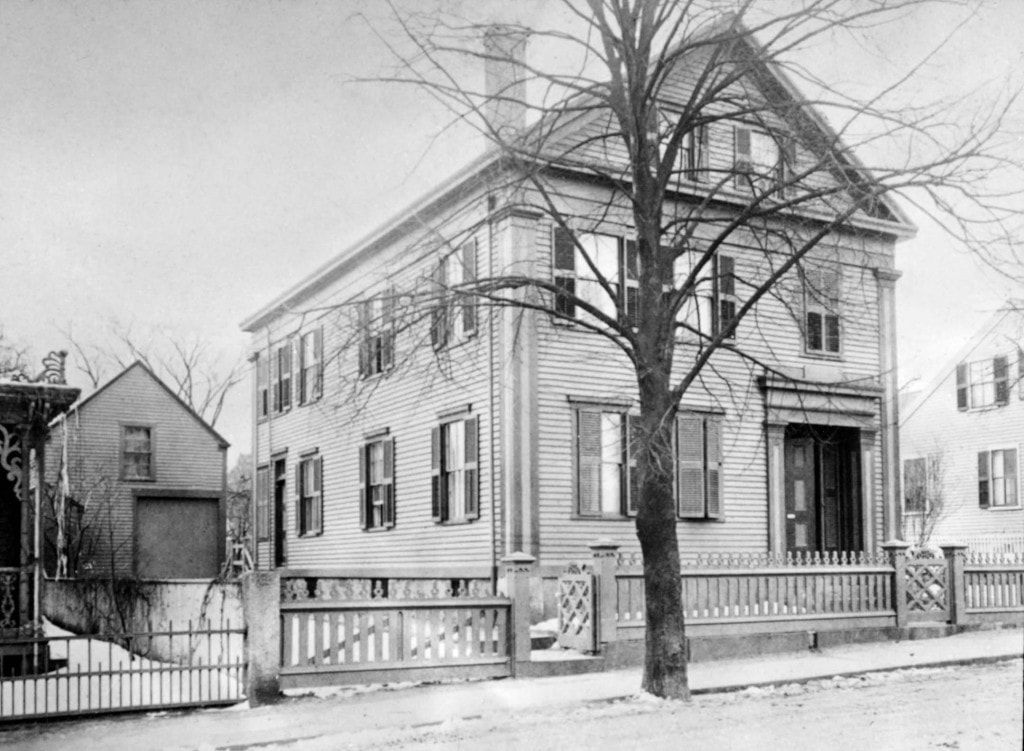
One of the details that has always stayed attached to the story is the dress. A few days after the murders, family friend Alice Russell saw Lizzie standing near the kitchen stove with part of a dress in her hands. Lizzie said she was going to burn it because it was covered with paint. Russell did not actually see the dress go into the stove, and she later testified that she saw no blood on it. She did, however, remember telling Lizzie that she would not let anyone see her doing that if she were in her place.
That is exactly the kind of detail that refuses to leave a story alone. Maybe the dress meant exactly what Lizzie said it meant. Maybe it did not. That is the trouble with the Borden case. Nearly every piece of it can still be turned over, looked at from another direction, and argued all over again.
Then there is the rhyme. "Lizzie Borden took an axe..." turned a complicated murder case into a few lines that children could remember. The details were wrong, but the story survived, and somewhere along the way Lizzie Borden stopped being only a woman who had been tried and acquitted. She became part of American folklore.
That was the part that interested me when I started writing this song. I did not want to simply rewrite the old rhyme, and I was not interested in pretending I could solve a case that people have been arguing about for more than 130 years. I wanted to write from inside the suspicion that never really went away. What if she did it? What if the respectable woman everyone was looking at really was the most dangerous person in the room?

That is where The Wolf Wears a Dress came from. The song takes the darker road and imagines a Lizzie who washes her hands, burns the old blue dress, smiles, and never confesses. That is the Lizzie who belongs to the song, not a historical verdict, but the woman the old story has been whispering about for generations.
History acquitted Lizzie Borden. Folklore never did. More than a century later, the question is still there: what if the wolf really did wear a dress?
Denise
Rustic Ridge · Country Rock & Southern Rock
Hear the Music